

Furnace Smelting Slag
Special Sale of Furnace Slag, Fast Delivery
Furnace slag is one of the by-products of thermal processes in industrial furnaces. Despite its simple appearance, it holds notable economic value. This mineral material is generated during metal melting and refining processes and, after cooling and processing, becomes a widely used material across various industries. From cement production and construction materials to industrial and environmental applications, furnace slag has established an important role within modern production cycles.
With a clear understanding of domestic industrial requirements, Kaaf Refractory Company supplies industrial furnace slag directly to the market. Direct sourcing, consistent material quality, and efficient nationwide delivery are among the key characteristics of this supply approach. For buyers seeking furnace slag in bulk quantities and suitable specifications, Kaaf’s technical team provides guidance to help select material aligned with specific industrial needs.
Slag is a by-product of metal smelting processes that is widely used as a valuable and practical material across many industries. Formed in industrial furnaces during the melting of steel, cast iron, copper, and other metals, slag is processed and cooled before being supplied in different forms such as slag stone, slag fines, or granulated slag.
At Kaaf Refractory, various types of industrial slag are supplied directly in bulk quantities for industrial buyers. This approach allows customers to access furnace slag in forms and specifications suitable for a wide range of applications.
Slag Soil and Stone
Steel slag is a by-product obtained from the melting of mineral materials in industrial furnaces. It appears in the form of stone or soil, but in reality, it is a rich combination of mineral oxides and useful materials for reuse in industrial processes. Naturally formed during the separation of metals from raw materials, steel slag has gained significant attention in recent years due to its wide range of applications in various industries, including construction, road building, and the production of mineral materials.
Slag fines and slag stone, depending on the smelting process and furnace conditions, exhibit different physical and chemical characteristics. For this reason, they are offered to the market in a range of qualities and price levels. With the growing demand for slag purchasing and export in recent years, many industrial units have turned to recycling and processing slag to create additional economic value from this by-product. Today, slag is no longer viewed as waste, but rather as an industrial material with practical applications within modern production cycles.
Bulk Supply of Steel Slag
Direct Supply of Steel Slag
Delivery Direct from Company Depot
Available in Large Volumes
Logistics Support Until Unloading at Destination
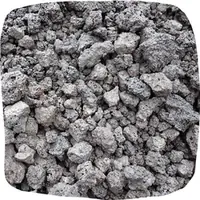
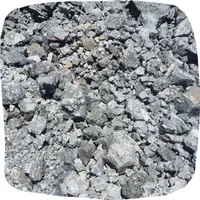
Iron Slag
Slag Pricing and Key Influencing Factors
The price of furnace slag depends on several factors, the most important of which include the type of furnace, smelting method, chemical composition, and the level of processing applied to the material. Slag discharged from the furnace at high temperatures under controlled conditions typically shows higher density and more uniform composition, making it suitable for more specific industrial applications. In contrast, some types of smelting slag that are supplied to the market without further processing are generally offered at lower prices, although their quality and purity may vary.
In today’s market, purchasing furnace slag is influenced not only by price considerations but also by its intended application. Industrial buyers usually look for a specific mineral composition that can be used in manufacturing, filling, or thermal processes. Transportation costs, moisture content, and delivery location are additional factors that affect the final price of industrial slag. For this reason, reviewing chemical analysis and physical properties before purchase helps support more informed decision-making.
Types of Slag in Various Industries
After leaving the furnace, slag takes different forms depending on the cooling method and smelting conditions. These forms commonly include slag stone, slag fines, and granulated slag. Each form has distinct physical and chemical characteristics, which makes it suitable for a variety of industrial applications. Slag stone is typically used in construction and road-building projects, while slag fines are more valued as mineral additives or fillers in other industries.
Smelting processes and industrial furnaces generate diverse combinations of oxides and mineral compounds within the slag, which is the main reason for the wide variety of furnace slag available on the market. When properly processed, this material can serve as an economical alternative to many primary mineral resources and may be used directly in the production of cement, concrete, insulation materials, and even certain refractory products. For this reason, the purchase and supply of industrial slag have gained increasing importance in recent years as part of the raw material supply chain for heavy and mineral-based industries.
Used in the production of:
…
Furnace Slag Export and International Markets
In recent years, the export of industrial slag has emerged as a growing segment within the mineral materials trade. Countries with large smelting and steelmaking industries process a significant portion of their produced furnace slag and supply it to international markets. The quality of mineral composition and the level of purity play an important role in determining the export value of slag, especially when it is used in construction, cement production, or as an alternative building material.
The global market for furnace slag continues to expand, and countries with established processing and packaging infrastructure have gained stronger competitive positions in export activities. Maritime transportation, accurate product analysis, and compliance with export standards are among the key factors for success in this field. Considering Iran’s geographical location and access to southern ports, supplying furnace slag to regional countries and Asian markets represents a notable advantage in the development of slag export opportunities.
Furnace Slag: Industrial Uses and Benefits
Slag is one of the valuable by-products of melting processes and industrial furnaces, playing an important role in improving production quality and efficiency. This material acts as a protective layer on the surface of the molten metal, preventing direct contact between the metal and air, which in turn reduces oxidation and heat loss. Due to its high melting point and thermal insulating properties, slag is widely used in many industrial units to retain heat inside furnaces and reduce energy consumption.
In addition to its technical role, slag is used as a secondary material in various industries. It is utilized in cement production, manufacturing of refractory materials, as a filler in road construction, and even in certain civil engineering projects. Many melting and casting industries recycle and process slag not only to reduce waste disposal costs, but also to use it as an economical and recyclable resource. These characteristics have transformed slag from a simple by-product into an industrial material with high added value.
Slag Sales in Iran
The market for steel and iron slag in Iran has become one of the most active and high-demand sectors of the metal and mining industries in recent years. Many manufacturing and industrial units across the country seek a consistent and standardized supply of slag to use in production processes, as fillers, or even for metal recycling. Therefore, reliable suppliers play a key role in establishing a well-organized supply chain between slag producers and consumers in the Iranian market. Among the most important factors determining the sale and final price of slag are its appearance, particle size, and chemical purity, which are carefully maintained by Kaaf Refractory.
Since each type of molten slag varies in characteristics depending on the furnace type, raw materials, and processing conditions, its sale in Iran is usually customized to meet the specific needs of industrial consumers. Some industries require lighter slag for construction and infrastructure applications, while others prefer heavier types for metal recycling and specialized uses. Therefore, accurately identifying the type of slag and its intended application helps buyers select a cost-effective product that aligns with their production processes. Currently, a significant portion of the demand for molten slag in Iran comes from industrial units operating in provinces such as Tehran and Isfahan.
Bulk Slag Supply in Iran
Kaaf Refractory Company, as a long-standing player in the field of refractory materials and industrial products, provides the sale and delivery of furnace slag in bulk in Iran for manufacturing units, melting workshops, and trading companies. A diverse inventory of industrial, steel, and iron slag, along with packaging options in various volumes and preparation for shipment to different regions of the country, are among the key features of the services offered by Kaaf Refractory.
With direct experience in melting processes and operating industrial furnaces, Kaaf Refractory provides molten slag directly to customers in bulk. A portion of the distribution takes place through industrial centers in Tehran and Isfahan, ensuring fast delivery and efficient response to the needs of industrial projects. Buyers can contact our sales experts directly to obtain up-to-date prices and sales conditions for slag in Iran, securing products tailored to their specific technical and industrial requirements.
Advantages of Purchasing Molten Slag for Industrial Projects
A portion of the molten slag supply and distribution process is carried out through active depots and warehouses connected to the Kaaf Refractory supply chain in the industrial regions of Tehran and Isfahan. This structured network enables fast and well-planned delivery tailored to the needs of industrial projects, playing a crucial role in maintaining consistent quality and providing timely support to manufacturing units.
The sale of molten slag for industrial projects based in Tehran and Isfahan, as well as for fulfilling export orders, is more cost-effective for buyers in terms of delivery time and shipping expenses, thanks to the proximity to consumption centers and transport infrastructure. This advantage has led many industrial units to source their required slag in a sustainable and direct manner through the supply and distribution network of Kaaf Refractory.
Future Outlook
slag is no longer just a simple industrial waste; it has become a valuable and practical material whose role in heavy industry and civil engineering is increasingly recognized. The growing use of steel slag in industrial and infrastructure projects indicates that this product can serve as a viable alternative to many costly and scarce raw materials.
Looking ahead, with the expansion of processing and recycling technologies, the steel slag market—both domestic and for export—is expected to grow, creating new opportunities for local industries. A precise understanding of the technical properties of molten slag, the development of proper collection and processing infrastructure, and collaboration between melting facilities and end-users can help establish an efficient and sustainable production chain in this sector.