

Insulating Brick | Kaaf Refractory Industries
High-Porosity, Low-Thermal-Conductivity Fire Bricks for Efficient Heat Insulation
Insulating Brick
Insulating refractory bricks are one of the most practical and widely used products in the industry and are usually used Refractory Clay Refractory or silica are made. These insulating bricks have a lower density than fireclay refractory bricks and alumina refractory bricks. Kaff Refractory Brick Products produces a variety of refractory insulating bricks and diatomite bricks with high quality and shock resistance.
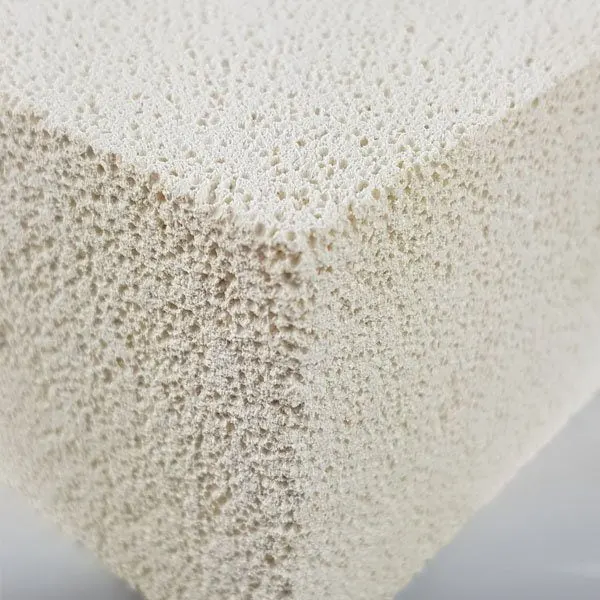
These lightweight refractory bricks feature high porosity, low thermal conductivity, and outstanding heat insulation. Their unique properties make them ideal for use as backup insulation layers in various types of furnaces. In many designs, lightweight bricks of different thermal grades are also used as primary lining in the furnace interior.
Fireproof insulation
One of the key features of lightweight insulating fire bricks is their very low weight, high porosity, and low thermal conductivity, which significantly helps to prevent heat loss and maintain internal furnace temperature efficiently. Kaaf Industrial Group manufactures insulating refractory bricks for various temperature ranges, from 1260°C to 1650°C. Among the most widely used industrial grades are Grade 23 and Grade 26, known for their excellent thermal insulation performance in both backup and working linings of furnaces.
Buying insulating bricks
G23
G25
G26
G28
G30
Insulating Fire Brick G23
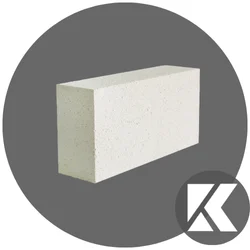
Price of 1260°C Insulating Brick
Insulation Fire Brick G26 | IFB
Insulation Brick Purchase Price
Insulation Fire Brick G28
sale & price of Insulation Brick
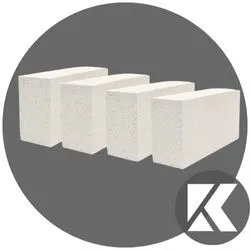
آجر نسوز عایق گرید 30
Insulating Refractory Brick Price
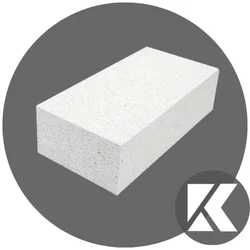
Ultra-Lightweight Insulating Brick
Density Insulation Fire Brick 0.5
Lightweight Insulating Brick
Density Insulation Brick 0.6
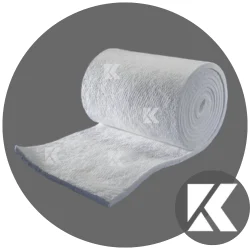
Ceramic Fiber Blanket
Lightweight with High-Temperature Resistance
Affordable Thermal Insulating Firebrick Prices
Due to their unique characteristics, insulating refractory bricks are generally more expensive than standard bricks. Features such as high-temperature resistance, lightweight structure, and thermal shock resistance make them essential for use in industrial furnaces.
depends on several factors, including the production technology used, the quality of raw materials, and market demand. Some types of insulating bricks, designed with specialized chemical compositions, customized density, or advanced engineering, may come at a higher cost — but in return, they offer greater durability and optimal performance under extreme industrial conditions.
For expert guidance on purchasing insulating refractory and consultation on thermal insulation of industrial and construction structures, feel free to contact us
Insulating Firebricks in industries
Lightweight insulating firebrick is widely used for furnace insulation, particularly in the outer layers of kilns, to control and retain heat while minimizing energy loss. These bricks are typically made from industrial-grade materials with specific properties and high porosity. The trapped air within the porous structure significantly reduces the overall thermal conductivity, thanks to air’s naturally low thermal transfer rate.Kaaf Refractory Industrial Group, utilizing the technical expertise of Iranian engineers, manufactures high-quality thermal insulating firebricks using premium raw materials. This ensures superior product performance, particularly in terms of thermal shock resistance and durability.Another key advantage of Kaaf’s insulating brick is their exceptional resistance to thermal shocks. Moreover, the company offers a variety of insulation materials, making it easy for customers to find and purchase suitable solutions for insulating floors, ceilings, and walls in both industrial and construction projects.
Outstanding features of lightweight fire bricks
انتقال حرارتی پایین آجر عایق نسوز ، ناشی از عایق بودن هوا و خواص ذاتی مواد مصرفی است. هرچه تخلخل بیشتر باشد، قابلیت هدایت حرارتی آن نیز کمتر میشود. میزان تخلخل دیرگداز، هرچند که مهمترین عامل است، ولی نمیتواند به تنهایی معیاری برای عایق بودن آن باشد. از طرفی دیگر مواد و ساختار دیرگدازها و جرم نسوز نیز اهمیت دارد. پوشش های حرارتی تولید فرآورده های نسوز کاف راهکاری مناسب برای عایق و پوشش و محافظت در برابر آتش برای ساختمان ها انواع اسکلت فلزی و سازه های صنعتی است.
Lightweight thermal insulation in various industries
Oil, Gas, and Petrochemical Industry
Petrochemical Refineries and Power Plants
Metallurgical Industries
Thermal Power Plants and Electricity Generation
Tile and Ceramic Industries
Cement and Glass Industries
Lime, Cement, and Gypsum Kilns
Pottery and Glazing Kilns

Production of various types of lightweight insulating bricks
Kaaf Refractory Brick Factory
Buy with confidence – receive top quality – fast delivery
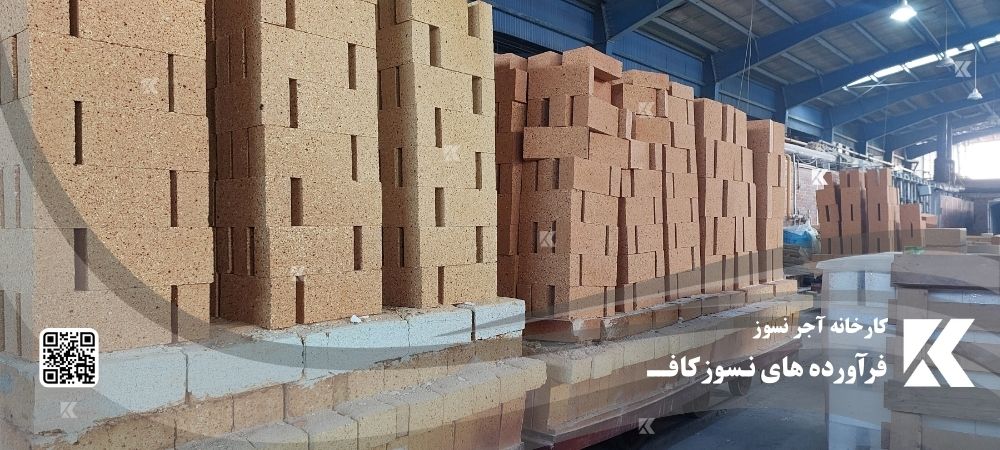
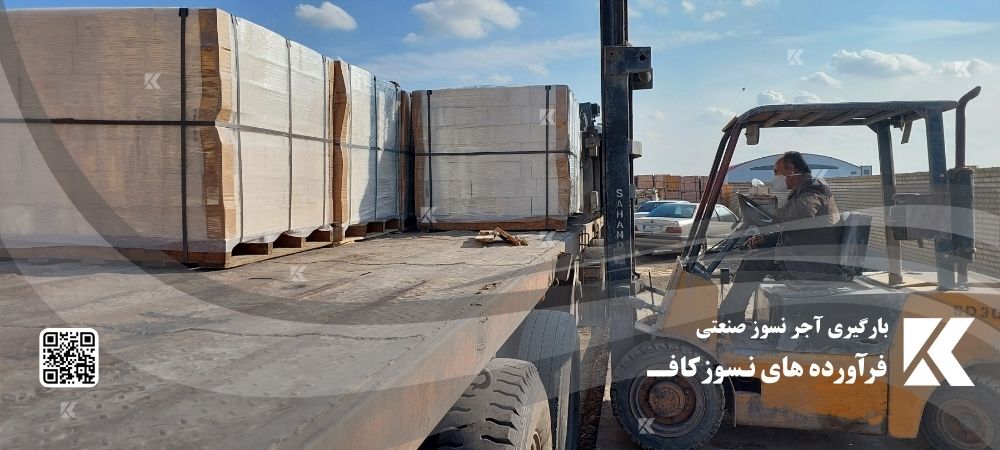
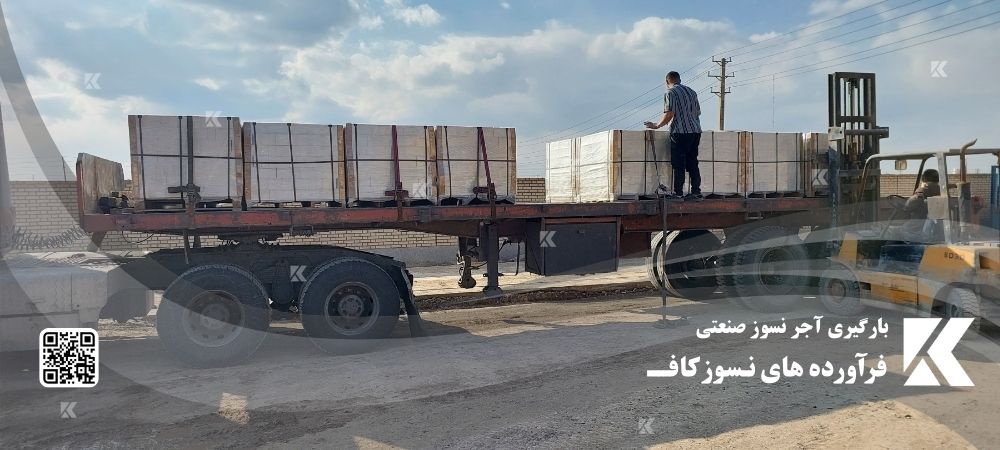
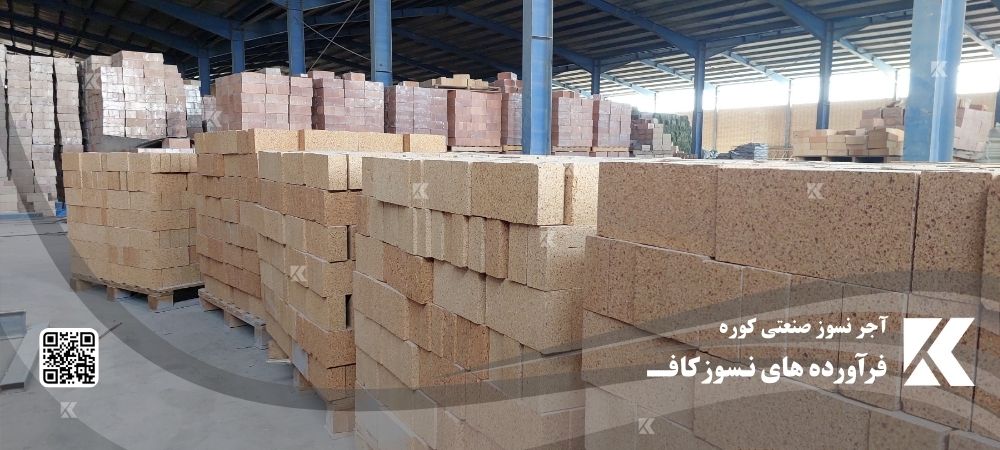
Insulating brick models (Grade 23 to 30)
Lightweight refractory bricks or insulating bricks are produced in different models. In fact, each model of this thermal insulation has different applications in industries. Insulating with these refractory insulation products helps a lot in reducing energy consumption and energy waste.
IFB 23 refractory brick
his product insulation brick has a heat resistance of up to 1260 degrees Celsius. It is mostly used in low to medium temperature furnaces. IFB 23 is a good choice for laboratory furnaces, ceramic kilns and environments that require lightweight and economical insulation. The use of this grade, due to its low thermal conductivity, plays an important role in reducing energy consumption.
Insulating Fire Brick G25 IFB
IFB Grade 25 insulation brick can withstand temperatures up to 1320 degrees Celsius. It is used for medium-temperature industrial furnaces. This grade is very useful in cases where reducing energy loss and improving furnace efficiency are important. For this reason, the cement, pottery, and ceramic industries usually use these products for their insulation layers.
Insulation Fire Brick G26 | IFB
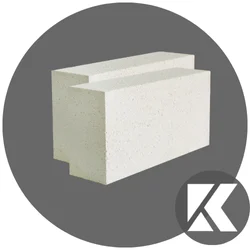
Grade 26 lightweight insulating refractory brick provides thermal resistance up to 1430°C. It is suitable for furnaces with heavier operating conditions. Due to its high thermal stability, this insulating brick is widely used in the middle layers of high temperature furnaces as well as in industries such as glass making, petrochemicals, and even special thermal furnaces that require more resistance.
Firebrick 28 IFB
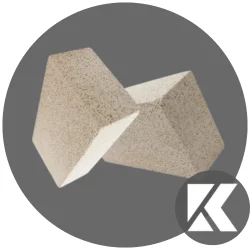
This insulating refractory brick has the ability to withstand temperatures up to 1540 degrees Celsius. It is designed for use in furnaces with harsh working conditions and high temperatures. IFB Grade 28 insulating brick plays a key role in maintaining efficiency and reducing energy loss in steel making furnaces, metal smelting, and industries where high temperatures are constantly present.
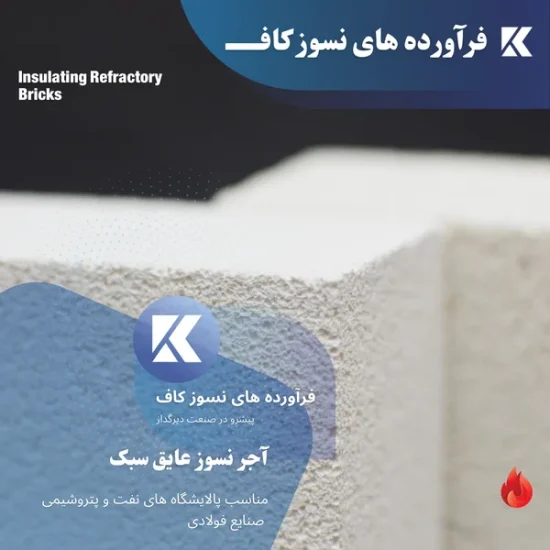
refractory brick 30 IFB
Grade 30 insulating brick has the highest level of thermal resistance among all types of insulating refractory bricks. This product can withstand temperatures up to 1650 degrees Celsius. Due to its special characteristics, this grade is an ideal choice for very hot furnaces such as iron smelting furnaces and heavy metal industries. Using IFB 30 insulating brick increases the safety and efficiency of furnaces. It also increases the useful life of the equipment.
Note : Selecting the right grade of insulating refractory brick is not based solely on its temperature rating. Factors such as furnace type, operating conditions, thermal cycles, installation method, and service environment can also affect the final performance of the product. The temperature values stated for each grade are general technical guidelines and may vary depending on manufacturing standards, raw material composition, and actual operating conditions. Therefore, for a more accurate selection, reduced heat loss, and longer equipment service life, it is recommended to review the project conditions and product specifications with the specialists at Kaaf Refractories before purchasing insulating bricks.
The best insulating refractory brick
Kaaf refractory
Purchase of heat resistant insulation
Standard dimensions of insulating bricks
In general, thermal insulation bricks, lightweight refractory bricks, and diatomite bricks are produced in standard dimensions. We have mentioned these dimensions below. In case of high-volume orders, insulating refractory bricks and diatomite bricks can be produced in different dimensions according to your needs.
NF1: 230×114×64 – 230×114×76
NF2: 250×124×64 – 250×114×76
Temperature of insulation products:
- GM23 Temperature range 1260 C
- GM25 Temperature range 1350 C
- GM26 Temperature range 1430 C
- GM28 Temperature range 1540 C
- GM30 Temperature range 1650 C
- GM32 Temperature range 1760 C
Frequently asked questions about thermal insulation
What is lightweight insulating brick?
Lightweight brick is used as a thermal insulation layer and in the supporting and main layer in the construction of industrial furnaces. Insulating bricks have high shock resistance and quality, high porosity and low thermal transfer coefficient.
Features of insulated refractory bricks
- Excellent strength at ambient and high temperatures
- High insulation properties
- Lower heat storage than fireclay and alumina bricks
- Low iron and other impurities
- Low heat transfer coefficient
- Low thermal shrinkage
What is the density and weight of lightweight brick?
As the name suggests, insulated fire bricks are very light in weight compared to other types of bricks. The weight of this brick is approximately 1 to 1.4 kg. Depending on the model, this brick may weigh more or less. Lightweight insulated bricks are produced in densities of 0.5, 0.6, 0.8 and 1 and even higher.
Contact us for advice and information on the purchase and price of lightweight refractory insulation bricks. Kaaf Industrial Group.
Insulating furnaces and tanks with bricks and refractory insulation
Furnaces commonly used in petrochemical and refinery processes can become significant sources of energy loss if not properly managed. Energy can be lost in various ways, including the escape of combustion gases, heat loss through the furnace body and equipment, and more. Such energy loss not only leads to wasted costs but also causes irreversible environmental impacts, making it a major concern for industry managers. Using high-temperature refractory insulation bricks for furnaces helps reduce energy loss, resulting in effective long-term energy savings.
It should be noted that insulating furnaces in large factories and industries is more challenging than insulating other industrial equipment. The method of furnace insulation varies depending on its operation. If the furnace runs continuously and is subjected to very high temperature and pressure, the best method is to insulate its outer surface. For this purpose, dense refractory materials are applied on the furnace surface. In cases where the furnace is not under high pressure and temperature and does not operate continuously, an easier insulation method exists, and thermal insulation can be used as a lining.
Insulation for furnaces that operate continuously is used to retain heat and minimize heat loss through the furnace walls and roof. In contrast, for furnaces that do not operate continuously, the purpose of insulation is to prevent energy loss by reducing stored heat. Therefore, before insulation, a mechanism must be considered to identify the ways energy is lost, so that the most suitable thermal refractory insulation can be selected and implemented.
اجر نسوز عایق
Cement and insulating mortar
Fife brick insulation Kaaf safe choice
Kaaf Refractory For years, relying on technical expertise, strict quality control and the use of standard raw materials, we have been producing insulation bricks with stable and reliable performance. Kaf insulation refractory bricks with engineered design and light weight, while preventing heat loss, provide excellent strength and durability against harsh working conditions. Our goal is to provide products that not only meet the needs of today's industry, but also extend the life of thermal equipment and improve productivity.
If you are looking for an insulating brick that combines quality, durability, and energy efficiency, Kaff refractory products are one of your safest choices. Our team is ready to recommend the best option based on your working conditions and technical needs, so that you can have a safe and economical experience using the company's insulating bricks IFB, insulating mass, and other insulating products.
Comprehensive guide to buying fire brick
Prices of various types of fireproof and thermal insulation
Thermal insulation brick is one of the basic components of industrial furnace construction, insulation of various structures used for thermal insulation. The purchase price of this lightweight insulation is an important element in the cost of furnace construction. It varies depending on the characteristics, material type, and construction quality. In various industries, using the best quality thermal insulation is very vital. One of the most important components of these thermal insulations is insulated brick, ceramic refractory blankets that are used in the structure of furnaces. The purchase price of thermal insulation brick directly depends on the characteristics, construction quality, and materials used in production. Resistance to temperature, thermal insulation properties, and the lifespan of the bricks are the factors that affect the price.
Types of fireproof insulation furnace
In addition to insulating bricks, diatomite bricks, other refractory insulators such as refractory blankets, ceramic fibers, silicate fibers, and insulating coatings are used in the construction of industrial structures. Different types of refractory insulators, with their unique characteristics, can improve the thermal performance of the furnace and reduce energy consumption. The purchase price of refractory insulators is also affected by technical characteristics, market, and supply and demand.
Overall, selecting and using the best refractory thermal insulation plays a vital role in optimizing furnace efficiency and reducing costs in the industry. To ensure maximum efficiency from furnaces, industrial managers need to carefully examine and compare the prices of refractory bricks and the technical characteristics of different types of thermal insulation.
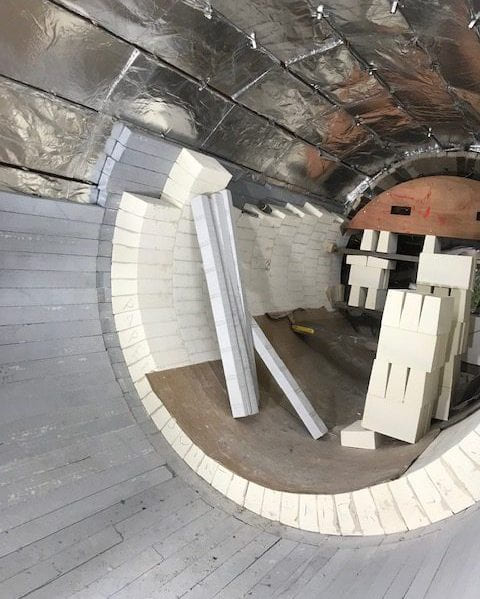
Producing the best high quality insulating bricks
The production of the best insulating brick depends on the specific needs and conditions of each project. But in general, insulating bricks with high thermal and insulating performance are known as the best option for use in the construction of industrial furnaces and industrial equipment. Lightweight insulating bricks are made from materials such as silica, alumina and other materials and usually have a cellular structure with high porosity. Which provides excellent thermal insulation. In addition, insulating bricks of Kaff refractory products are heat-resistant and highly shock-resistant, durable. Lightweight refractory bricks withstand different temperatures. These thermal insulators are used in various industries including oil refineries, gas, petrochemical, metallurgical and smelting industries. We are always trying to produce the best refractory insulation products with the highest quality and provide them to customers and large industries.
Density of insulating bricks
A balance between light weight and thermal resistance
Density is the most important technical factor in selecting an insulating refractory brick. Unlike heavy refractory bricks, which are intended to withstand mechanical stress and abrasion, the main function of insulating bricks is to prevent heat loss and optimize energy consumption in furnaces. For this reason, the density of these bricks is intentionally kept at a lower level to reduce thermal conductivity by increasing porosity (entrapped air bubbles).
In fact, the lower the density of the insulating brick, the better it will perform as a thermal insulator, but this weight reduction should not come at the cost of losing its original strength.
نکاتی که در مورد دانسیته آجر عایق باید بدانید:
- رابطه مستقیم با اتلاف انرژی: آجرهای عایق با دانسیته کنترلشده، از انتقال حرارت به بدنه بیرونی کوره جلوگیری میکنند. این یعنی سوخت کمتر برای رسیدن به دمای مطلوب و حفظ پایداری دما در داخل کوره.
- وزن سبک و نصب آسان: به دلیل دانسیته پایین، این آجرها وزن بسیار سبکی دارند که نه تنها جابهجایی و نصب آنها را تسهیل میکند، بلکه بار مرده وارد بر سازه کوره را به حداقل میرساند.
- دقت در تولید: تولید آجر عایق با دانسیته یکنواخت، نیازمند تکنولوژی پیشرفته در ترکیب مواد اولیه و فرآیند پخت است. در فرآوردههای نسوز کاف، دانسیته هر گرید آجر عایق با دقت مهندسی تعیین میشود تا تعادل مطلوبی میان «مقاومت ساختاری» و «قابلیت عایقبندی» برقرار گردد.
- تنوع در گریدها: معمولاً آجرهای عایق در گریدها (کلاسهای) مختلفی تولید میشوند که هر گرید دانسیته و محدوده دمایی خاص خود را دارد (مثلاً برای دماهای ۱۰۰۰، ۱۲۰۰ یا ۱۴۰۰ درجه سانتیگراد). انتخاب دانسیته مناسب باید دقیقاً بر اساس دمای کاری و شرایط محیطی کوره انجام شود.
در نهایت، اگر دانسیته آجر عایق بیش از حدِ استاندارد باشد، خاصیت عایقبندی افت میکند و اگر بسیار پایین باشد، آجر استحکام خود را در برابر تنشهای حرارتی از دست میدهد. صنایع دیرگداز کاف با تمرکز بر همین ظرافتهای تولیدی، تلاش میکند آجرهای عایقی را ارائه دهد که بالاترین راندمان حرارتی را در کنار دوام بالا به همراه داشته باشند.
مواد و ترکیبات تخصصی آجر نسوز عایق
آجر نسوز عایق با استفاده از ترکیبات معدنی سبک و دیرگداز تولید میشود و هدف اصلی در فرمولاسیون آن، ایجاد ساختاری سبک، متخلخل و پایدار در برابر دما است. در تولید این نوع آجرها معمولاً از مواد اولیهای مانند ترکیبات آلومینوسیلیکاتی، شاموت سبک، پرلیت، دیاتومیت، آلومینا و سایر افزودنیهای معدنی کنترلشده استفاده میشود تا محصول نهایی دارای وزن حجمی پایین، هدایت حرارتی کم و عملکرد مناسب در محیطهای حرارتی صنعتی باشد.
ترکیب مواد اولیه در آجر عایق بسته به گرید دمایی، روش تولید، نوع کاربرد و استاندارد کارخانه تولیدکننده متفاوت است. به طور معمول، با افزایش گرید دمایی آجر نسوز عایق، نوع و کیفیت مواد دیرگداز مصرفی نیز تغییر میکند تا محصول بتواند پایداری حرارتی، مقاومت مکانیکی و دوام مناسبتری در شرایط کاری مختلف داشته باشد. به همین دلیل، انتخاب آجر عایق تنها بر اساس نام گرید یا دمای اعلامشده انجام نمیشود و لازم است مشخصات فنی محصول متناسب با شرایط بهرهبرداری بررسی شود.
برخلاف آجرهای سنگینتر مانند آجر آلومینایی، آجر شاموتی و برخی آجرهای صنعتی متراکم، آجر نسوز عایق دارای دانسیته پایینتر و ساختار متخلخلتری است. همین ویژگی باعث کاهش انتقال حرارت، سبکتر شدن سازه نسوز، کاهش مصرف انرژی و بهبود راندمان حرارتی کورهها و تجهیزات صنعتی میشود. با این حال، میزان مقاومت مکانیکی، دانسیته، هدایت حرارتی و تحمل دمایی هر گرید میتواند بر اساس فرمولاسیون و شرایط تولید متفاوت باشد؛ بنابراین توصیه میشود برای انتخاب دقیق محصول، شرایط کاری پروژه و برگه مشخصات فنی آجر توسط کارشناسان فنی بررسی شود.
مقایسه آجر عایق ایرانی و خارجی (مزایا/معایب)
در دنیای تجهیزات حرارتی، مقایسه آجرهای عایق ایرانی با نمونههای وارداتی (عمدتاً چینی یا اروپایی)، همیشه یکی از دغدغههای مهندسان و مدیران خرید است. طی سالهای اخیر، کیفیت تولیدات داخل جهش قابلتوجهی داشته و بسیاری از استانداردهای سختگیرانه صنایع مادر را پوشش داده است.
- آجر عایق ایرانی: مزیت اصلی این محصولات در دسترسی سریع، قیمت رقابتی و امکان سفارشیسازی است. تولیدکنندگان داخلی مانند «فرآوردههای نسوز کاف» با اشراف بر نیازهای بومی صنایع ایران، محصولاتی تولید میکنند که از نظر پارامترهایی مانند مقاومت حرارتی و دانسیته، با استانداردهای جهانی برابری میکنند. مهمترین مزیت اینجا، حذف هزینههای سربار واردات و امکان دریافت خدمات فنی و مشاوره مستقیم در محل پروژه است.
- آجر عایق خارجی: نمونههای خارجی (بهویژه برندهای معتبر اروپایی) معمولاً در تولید گریدهای فوقسنگین یا آجرهایی با تکنولوژیهای نانومتری و تخلخلهای بسیار خاص، پیشرو هستند. با این حال، معایبی نظیر هزینههای بسیار بالای حملونقل، خطر شکستگی در بارگیری، مشکلات ناشی از تأمین ارزی و زمان طولانی انتظار برای تحویل کالا، باعث شده تا بسیاری از صنایع، نمونههای باکیفیت داخلی را ترجیح دهند.
چه زمانی اجر نسوز سبک خارجی ارزش خرید دارد؟
سؤالی که باید از خود بپرسید این است: «آیا در پروژه من، تفاوت عملکرد محصول خارجی نسبت به داخلی، آنقدر چشمگیر است که هزینهی چند برابری آن را توجیه کند؟»
خرید آجر عایق خارجی معمولاً تنها در شرایط زیر توصیه میشود:
- کورههای با حساسیت فوقبالا: در پروژههای تحقیقاتی یا کورههای بسیار خاصی که کوچکترین تلورانس در هدایت حرارتی (Thermal Conductivity) میتواند منجر به شکست کل فرآیند تولید شود.
- استانداردهای بینالمللی خاص: گاهی تجهیزات وارداتی (مثلاً کورههای ایتالیایی یا آلمانی) در نقشههای فنی خود، استفاده از گرید خاصی از آجر با برند مشخص را الزامی کردهاند که برای حفظ گارانتی دستگاه ضروری است.
- شرایط خوردگی شیمیایی بسیار خاص: اگر کوره در معرض اتمسفر شیمیایی بسیار تهاجمی قرار دارد که در ایران هنوز دانش تولید آجر عایق مخصوص آن بومیسازی نشده است.
در ۹۰٪ موارد دیگر، استفاده از آجرهای عایق باکیفیت تولید شده توسط صنایع دیرگداز کاف نه تنها از نظر اقتصادی منطقیتر است، بلکه به دلیل سازگاری محصولات با شرایط جوی و مواد اولیه در دسترس، ریسک تأمین و پشتیبانی پروژه را به صفر میرساند. ما در فرآوردههای نسوز کاف معتقدیم که با دانش فنی روز، میتوان نیاز اکثر صنایع کشور را با کیفیتی در سطح جهانی، اما با هزینهای معقول و بدون درگیری با مشکلات واردات تأمین کرد.
کاربرد اجر عایق در صنعت
آجر عایق در صنایع مختلف؛ از فولاد تا پتروشیمی
آجر نسوز عایق سبک، یکی از مؤثرترین عناصر طراحی حرارتی در صنایع دمابالاست و نقش اساسی در بهینهسازی مصرف انرژی، افزایش عمر تجهیزات و حفظ پایداری فرآیندهای حرارتی دارد. به سبب وزن سبک، هدایت حرارتی پایین و مقاومت مناسب در برابر شوک دمایی، این آجرهای سبک حرارتی در گسترهای از صنایع مادر تا صنایع فرآیندی بهکار گرفته میشوند.
عایق نسوز صنعت فولاد و متالورژی
در صنایع فولاد، متالورژی و ذوب فلزات، آجر عایق سبک به عنوان لایه پشتیبان در دیواره و سقف کورههای قوس الکتریکی، پاتیلی و پیشگرمکنها استفاده میشوند تا علاوه بر حفظ دمای یکنواخت درون کوره، از اتلاف حرارت به بیرون جلوگیری کنند. در کورههای فولادسازی و واحدهای ذوب، مدیریت گرادیان دمایی اهمیت حیاتی دارد. استفاده از آجر نسوز عایق در لایههای پشتیبان نسوزهای سنگین باعث کاهش تنش حرارتی بین لایهها میشود و از ترکخوردگی زودرس جلوگیری میکند. همچنین در کورههای پیشگرم پاتیل و تونلهای انتقال مذاب، این آجرهای سبک حرارتی با کاهش اتلاف حرارت، به تثبیت دمای مذاب و کاهش مصرف انرژی الکتریکی یا گاز کمک میکنند؛ موضوعی که مستقیماً بر راندمان تولید و هزینه تمامشده فولاد اثرگذار است.
صنعت پتروشیمی، پالایشگاه نفت و گاز و نیروگاهها
در حوزه پتروشیمی، پالایشگاه نفت و گاز و نیروگاهها، آجر عایق در بخشهای بویلر، ریفورمر، ریاکتور و مشعلخانهها برای کنترل جریان حرارت و کاهش مصرف سوخت به کار میروند. در ریفورمرها، بویلرها، هیترها و رئاکتورهای پتروشیمی، کنترل انتقال حرارت و جلوگیری از افت انرژی اهمیت راهبردی دارد. آجر عایق و سبک در این تجهیزات به عنوان یک لایه مهندسیشده عمل میکند که علاوه بر کاهش تلفات حرارتی، از افزایش دمای سازه فلزی بیرونی جلوگیری میکند. این عملکرد باعث کاهش مصرف سوخت، افزایش بازده حرارتی سیستم و کاهش تنشهای حرارتی در دورههای راهاندازی و توقف میشود. در نیروگاهها نیز استفاده صحیح از آجر نسوز عایق میتواند نقش مستقیمی در افزایش بهرهوری سیکل حرارتی داشته باشد.
اجر عایق در صنعت سیمان، گچ و آهک
در صنایعی نظیر سیمان، گچ و آهک، نقش حیاتی آجر سبک عایق در کاهش تلفات حرارتی بدنه کوره دوار و افزایش بازده حرارتی فرآیند تولید کاملاً مشهود است. در کورههای دوار سیمان و آهک، دمای کاری بالا و سیکلهای مداوم روشن و خاموش شدن، تنش حرارتی شدیدی ایجاد میکند. آجرهای عایق حرارتی با هدایت حرارتی پایین، دمای پوسته فلزی کوره را کاهش میدهند و از تغییر شکل سازه جلوگیری میکنند. این موضوع نهتنها ایمنی خط تولید را افزایش میدهد، بلکه موجب کاهش اتلاف سوخت و بهبود راندمان احتراق نیز میشود. در کارخانههای گچ نیز استفاده از آجر عایق در خشککنها و کورههای پخت، کنترل دقیقتری بر کیفیت محصول نهایی ایجاد میکند.
استفاده از آجر نسوز در صنعت کاشی، سرامیک و شیشه
در صنعت کاشی، سرامیک و شیشه نیز این آجرها در دیوارههای کورههای پخت و خشککنها، با ایجاد پایداری دمایی، به کیفیت یکنواخت محصولات نهایی کمک میکنند. در کورههای پخت کاشی و سرامیک، یکنواختی توزیع دما عامل تعیینکننده کیفیت محصول است. آجر عایق حرارتی با ایجاد یک سد حرارتی پایدار، از نوسانات ناخواسته دما جلوگیری میکنند و شرایط پخت کنترلشدهتری فراهم میآورند. در صنعت شیشه نیز که فرآیند تولید پیوسته و حساس است، عایقبندی صحیح دیوارهها و سقف کوره با آجر عایق، از افت انرژی جلوگیری کرده و پایداری حرارتی موردنیاز برای ذوب یکنواخت مواد اولیه را تضمین میکند.
تجربه تولید در فرآوردههای نسوز کاف نشان داده است که انتخاب دقیق گرید آجر عایق بر اساس دمای کاری و نوع محیط حرارتی، میتواند تا ۳۰٪ در کاهش مصرف انرژی مؤثر باشد. به همین دلیل، ما در طراحی ترکیب و دانسیته آجرهای عایق، با رویکرد مهندسی انرژی و شناخت نیاز هر صنعت، محصولاتی ارائه میدهیم که هم از نظر فنی و هم اقتصادی، بالاترین بهرهوری را برای واحدهای صنعتی به همراه دارند.
استفاده حرفهای از اجرهای عایق در صنایع حساس
این محصول حرارتی کاربرد زیادی در صنایع مختلف دارد. در انواع صنایع برای اهداف عایقسازی و جلوگیری از هدر رفت حرارت داخل کوره همچنین بهینه سازی مصرف انرژی استفاده میشود. از آجرهای عایق در کورهها، اتوفرنسهای کارخانه، صنایع فولاد، برای حفاظت از دیوارهها همچنین کاهش انتقال حرارت، در کورهها و تجهیزات پخت کارخانه سیمان بعنوان یک مصالح دیرگداز مؤثر در کاهش مصرف انرژی و بهبود کارایی کوره، در کورهها و واحدهای پردازش نفت و گاز، آجر عایق بعنوان یک جزء اساسی بعنوان عایق حرارتی برای محافظت از تجهیزات مقابل حرارت بالا بکار میرود.
درکوره ذوب فلزات مانند کارخانه فولاد، آلومینیوم، مس، اجر نسوز عایق جهت ایجاد عایق حرارتی، کاهش هدر رفت حرارت بکار میرود. در صنایعی مانند تولید گچ، کارخانجات تولید شیشه، چینی، همچنین سایر صنایع حرارتی، آجرهای سبک عایق برای ساختار دیواری، سقفی کورهها بکار میرود تا از افت دما، انتقال حرارت جلوگیری شود. جهت دریافت اطلاعات دقیقتر درباره قیمت آجر عایق نسوز با کارشناسان فروش فرآورده های نسوز کاف در ارتباط باشید.
چرا آجر عایق شرکت کاف؟
انتخاب آجر عایق مناسب، فقط به معنی خرید یک محصول نسوز نیست؛ بلکه به معنای انتخاب راهکاری مؤثر برای کاهش اتلاف حرارت، بهینهسازی مصرف انرژی و افزایش راندمان تجهیزات حرارتی است. به همین دلیل کیفیت محصول، تناسب گرید با نوع کاربرد و اطمینان از مشخصات فنی، در خرید آجر عایق اهمیت بسیار زیادی دارد.
شرکت کاف با ارائه آجر عایق در گریدها و ابعاد مختلف، تلاش کرده است نیاز صنایع گوناگون را در حوزه عایقکاری کورهها، مخازن و تجهیزات حرارتی بهصورت دقیق و کاربردی پاسخ دهد. آجرهای عایق ارائهشده توسط این مجموعه با توجه به الزامات فنی پروژههای صنعتی انتخاب شدهاند تا مشتری بتواند متناسب با دمای کاری، نوع مصرف و شرایط بهرهبرداری، گزینه مناسب را تهیه کند.
یکی از مهمترین مزایای خرید از شرکت کاف، امکان دریافت مشاوره فنی پیش از سفارش است. در بسیاری از پروژهها، انتخاب اشتباه گرید یا ابعاد آجر عایق میتواند باعث کاهش راندمان یا افزایش هزینههای اجرا شود. به همین دلیل ارائه اطلاعات دقیق و راهنمایی تخصصی، بخشی از فرایند فروش در این مجموعه است تا مشتری با آگاهی بیشتر تصمیمگیری کند.
همچنین شرکت کاف تلاش میکند علاوه بر تأمین محصول، در زمینه ارائه اطلاعات فنی، مشخصات، ابعاد، کاربردها و راهنمای خرید نیز همراه مشتری باشد. این موضوع باعث میشود فرایند انتخاب و خرید آجر عایق برای واحدهای صنعتی، پیمانکاران و فعالان حوزه نسوز، سریعتر و مطمئنتر انجام شود.
اگر به دنبال آجر عایق با کیفیت، مشخصات فنی شفاف، تنوع گرید و امکان مشاوره پیش از خرید هستید، شرکت کاف میتواند گزینهای مطمئن برای تأمین این محصول در پروژههای صنعتی و حرارتی باشد.
برای دریافت مشاوره، استعلام قیمت روز و انتخاب گرید مناسب آجر عایق، با کارشناسان صنایع دیرگداز کاف در تماس باشید.
مزایای خرید آجر عایق از شرکت کاف
- ارائه آجر عایق در گریدها و ابعاد مختلف
- امکان انتخاب محصول متناسب با دمای کاری و نوع کاربرد
- ارائه اطلاعات و مشخصات فنی برای انتخاب دقیقتر
- مشاوره پیش از خرید برای جلوگیری از انتخاب اشتباه
- مناسب برای استفاده در کورهها، تجهیزات حرارتی و کاربردهای صنعتی مختلف
برای استعلام قیمت و مشاوره با ما در تماس باشید
برای دریافت قیمت روز، بررسی مشخصات فنی و انتخاب گرید مناسب آجر عایق، میتوانید با کارشناسان شرکت کاف در تماس باشید. ما آمادهایم تا با توجه به نوع کاربرد، شرایط پروژه و نیاز فنی شما، در انتخاب محصول مناسب راهنماییتان کنیم.
عایق نسوز ، عایق حرارتی کوره ، قیمت خرید آجر عایق ، عایق صنعت نفت ، عایق صنعت گاز، عایق نسوز پالایشگاه، عایق حرارتی پتروشیمی ، قیمت خرید اجر عایق سبک، بهترین آجر عایق ، بهترین عایق نسوز حرارتی