

Buy and price of high temperature refractory soil
High-temperature resistant refractory soil for industrial furnaces
High temperature refractory soil for furnac
Refractory soil is a term used for certain refractory soils. These soils are commonly used in the manufacture of refractory bricks. These types of soils resist fire without cracking or becoming vitrified and are mostly used for the manufacture of industrial bricks.
This soil is one of the most important components of refractory bricks. By changing the composition of the percentage of minerals in it, this soil can be made into different colors. And it can be placed in molds with different shapes inside the kiln and a very high variety of refractory bricks can be obtained. Other types of refractory mud include kiln pot lining mud, kiln duct mud, and kiln flow mud. Possibility of sending refractory soil in Tehran to all of Iran.
خاک نسوز دستکم دمای ۱۵۱۵ درجه سانتیگراد را تحمل کند. این خاکها دارای حدود ۲۳ تا ۳۴ درصد وزنی اکسید آلومینیوم، ۵۰ تا ۶۰ درصد وزنی سیلیس و 10تا ۱۲ درصد وزنی مواد فرار، بیشترش آب، که حین پخت از ماده خارج میشوند. این خاکها میتوانند تا ۲۵ درصد وزنی اکسید آهن سه (Fe۲O۳) و مقادیری TiO۲ ،CaO، MgO، K۲O، Na۲O داشتهباشند.
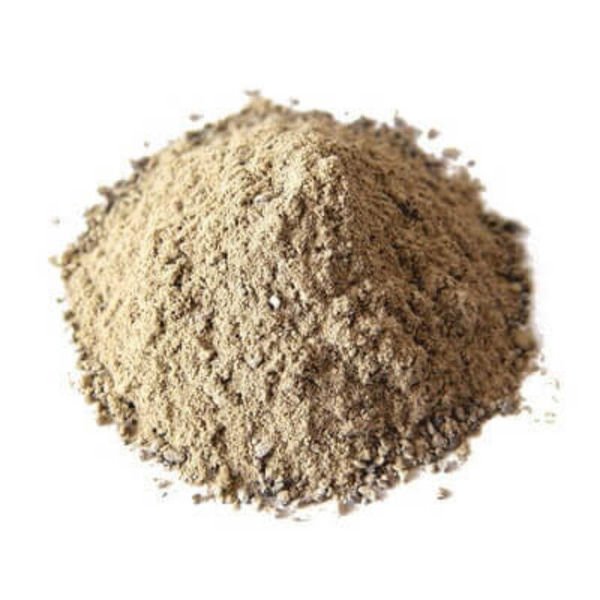
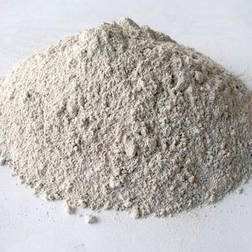
Low temperature refractory soil
Refractory soil purchase price
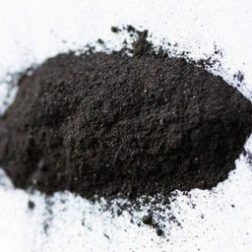
High temperature refractory soil
Sales and prices of black soil
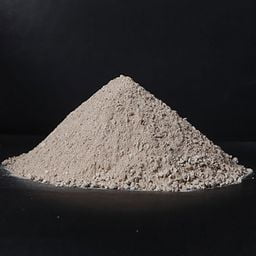
Fireclay refractory clay
Sale and price of fireclay soil
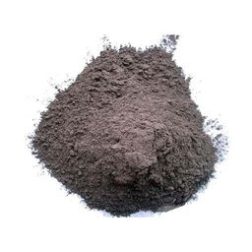
ملات نسوز شاموتی
Refractory mortar price
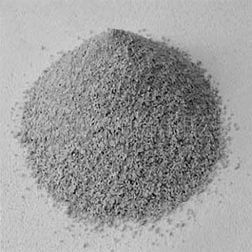
Refractory Mortar Cement
Refractory cement price and sales
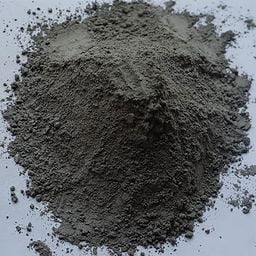
Refractory Monolithic
Production of various types of castable and alumina refractory masses
Application of fireclay
Refractory clay is used in various important industries due to its high resistance to heat. It is used to build iron and ceramic furnaces, electric furnaces and boilers, produce various types of porcelain and tiles, glass industries, metal smelting, etc.
An important feature of many refractory clays and kiln muds is their ability to absorb water and form a paste that can be easily molded into the desired shape. The variety of compositions of Fireclays and blast furnace slag has increased their use in the smelting industry in the ladle and tundish section, ladle repairs, and various industries such as tiles, ceramics, paint, glazes, and parent industries such as metallurgy and iron smelting. This clay is used in the preparation of refractory bricks, kiln clays, kiln repairs, glass, ceramics, various kilns, blocks, and so on.
High-quality fireclay is used in many industries due to its very high heat resistance, including:
Refractory clay for casting crucibles and ladles
Construction of brick kilns, iron smelting furnaces and ceramic manufacturing
In the melting, tundish and ladle industries of steelmaking
Repair of all types of high temperature furnaces
Firesoil and mass for foundry and metallurgical industries
Manufacturing of all types of electric furnaces and steam boilers
در تولید آجر نسوز ، کاشی، سرامیک و انواع چینی
Manufacturing of glass tanks and various types of furnaces
In the metal smelting industries as well as materials and metallurgy
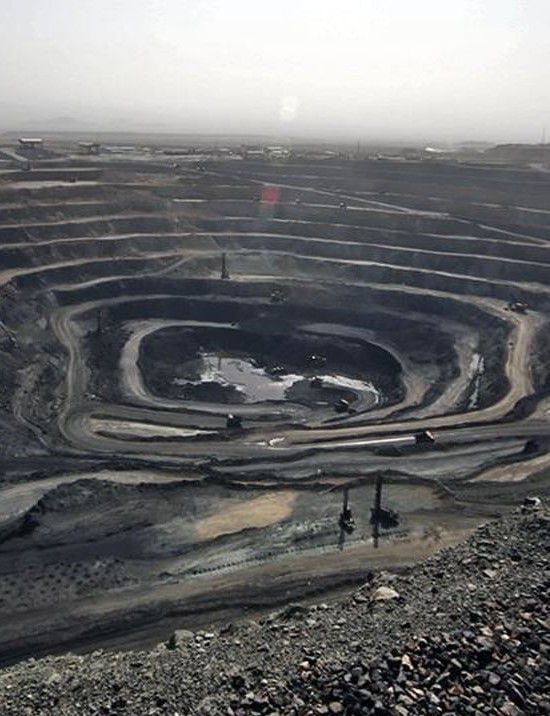
Characteristics of high-quality Fireclay
o better identify this soil and make the right decision in purchasing refractory soil, we will examine the distinctive features of this soil together. To purchase and receive a price for refractory soil, contact the experts at Kaf Refractory Products. Possibility of sending refractory soil from Tehran to all of Iran.
The selection of blast furnace duct mud and furnace patil mud, patil lining mud depends on several factors, including the working conditions of the blast furnace (size and production capacity), the special arrangement of the duct area, environmental aspect and economic factor.
- خاک نسوز مرغوب باید حداقل دمای 1500 درجه سانتی گراد را تحمل کند و هیچ گونه ترکی بعد از پخت نداشته باشد.
- ترکیب درصد آلومینیوم و سیلیس آن باید همان مقادیری که اشاره نمودیم باشد.
- آب و دیگر ترکیبات فرار آن باید حدود 12 درصد از وزن خاک را تشکیل داده باشند.
- وجود عنصر کائولینیت در این ماده بسیار مهم و حیاتی است.
Selling high-quality refractory soil & Fireclay
Kaaf refractory
Benefits of using Fireclay
As you can see, refractory soil has a wide range of uses due to its high thermal capacity. However, it is interesting to know that the only reason for using refractory soil is not its high thermal resistance, and this soil also has other advantages that we will mention.
- Fireclay, Refractory soil has plastic properties, and this is very important and vital in its production and shaping. The phyllite clays present in this soil determine its plasticity.
- انقباض خاکنسوز در هنگام خشک شدن حدود 10 درصد است که نشان از حالت پلاستیکی آن دارد.
- The extremely high resistance of this soil to heat prevents it from becoming glassy even at high temperatures.
- One of the most important characteristics of high-temperature soil is its ability to become plastic and its water absorption rate, which makes it easy to shape and deform into the desired shape.
- خاک نسوز خاصیت اسیدی دارد.
In some industries and productions, due to the refractory nature of soil, this fire clay is the only usable material, so purchasing high-quality soil with a specific percentage of minerals is of great importance. ویکی پدیا
سوالات متداول
What is FireClay?
خاک نسوز یا فایرکلی اصطلاحیست که برای برخی از خاکهای دیرگداز به کار میرود. فایرکلی معمولاً در ساخت آجرهای نسوز کاربرد دارند. بطور معمول تحمل حرارتی این خاک دیرگداز بین دمای 1400 تا 1500 درجه سانتیگراد است
Types of refractory soil
خاک نسوز با توجه به میزان تحمل حرارت و همچنین نوع مواد بکار رفته در آن در دسته بندی های متفاوتی قرار می گیرد که عبارتند از:
تقسیم بندی فایرکلی بر اساس مواد تشکیل دهنده:
- آلومینو سیلیکاتی
- آلومینی
Refractory soil purchase price
عوامل زیادی در تعیین قیمت خاک نسوز و The price of refractory bricks تاثیر گذارند. از آن جمله می توان به درجه تحمل حرارت خاک و مواد کانی موجود در فایرکلی اشاره نمود. بطور معمول دو نوع خاک نسوز دما بالا (مناسب کوره های صنعتی) و دما پایین (مناسب باربیکیو و کوره های کوچک) برای تهیه ملات استفاده میشود. جهت کسب قیمت خاک نسوز با کارشناسان فراورده های نسوز کاف در تماس باشید.
In what industries is refractory soil used?
خاک نسوز به دلیل مقاومت بسیار عالی در برابر حرارت در صنایع مختلفی کاربرد دارد که در زیر به برخی از این صنایع اشاره نمودیم.
در صنایع ذوب فلزات
ذوب آهن و ساخت سرامیک
Refractory clay for casting crucibles and ladles
پالایش نفت و صنایع پالایشی
در ساخت مخازن شیشه ای و کوره ای
Firesoil and mass for foundry and metallurgical industries
ساخت کوره های الکتریکی و دیگ های بخار
گل نسوز برای آستر پاتیل، گل مجرای کوره ذوب
لاستیک سازی، کاغذ سازی
صنایع کاشی، چینی و سرامیک و لعاب سازی
گچ و سیمان و …
Ingredients of refractory kiln soil
Refractory mass or Fire Clay, also known as refractory casting mass, is a group of materials that are composed of fine particles. These materials include a large portion of spinel, silicate, and High Alumina Mass include.
There are various compounds and elements in the kiln refractory soil for arranging kiln bricks. Water and volatile substances present in the soil evaporate during firing. Elements such as aluminum oxide and silica are present in this soil, which increase its hardness and strength. In the past, Fire clay and mass were used as heat-resistant lining in induction furnaces, making kiln blocks, ول بلوک Tundishes, tundish nozzles, and ladles were used, but now these materials are also used in the chemical, electrical, and even household appliances industries.
Monotherms, halloysites, maulonites and hydroiles are other elements present in this soil. Quartz and feldspar are impurities present in the soil. Brick manufacturers measure the percentage and amount of iron and titanium before producing bricks to ensure the strength and quality of the bricks produced. If the percentage of elements present in the soil exceeds the standard, the quality of the soil will be greatly reduced.
Bauxite is another element present in this soil, the amount of which must be considered. Too much bauxite in refractory soil is not suitable. The refractory brick produced with this soil may be of low quality.